On his last Friday, they gave Colin a card the size of a dinner plate, signed by people whose surnames he was surprised to learn, and a bottle of something good he had every intention of saving for an occasion. He was sixty-three. He had worked at the firm for twenty-nine years. For the last decade he had told anyone who asked, and a few who did not, that he could not wait to be done.
The first Monday was everything he had promised himself. He slept until eight. He drank his coffee on the back step in the cool July air, unhurried, with nowhere to be. He had imagined this exact morning for years, the freedom of it, and here it was, and it was good.
The second Monday was also good. The third was quieter. By the fifth, the quiet had developed a texture he did not have a word for.
It was not that he missed the work. The work had been fine, and then it had been tiring, and by the end it had been something he performed rather than felt. He did not miss the meetings or the reports or the particular exhaustion of managing people who did not want to be managed. When he checked honestly, he found no grief for any of it.
What he could not account for was the other thing. The way the days had lost their edges. The way nobody, from the moment he woke to the moment he slept, needed anything from him at all.
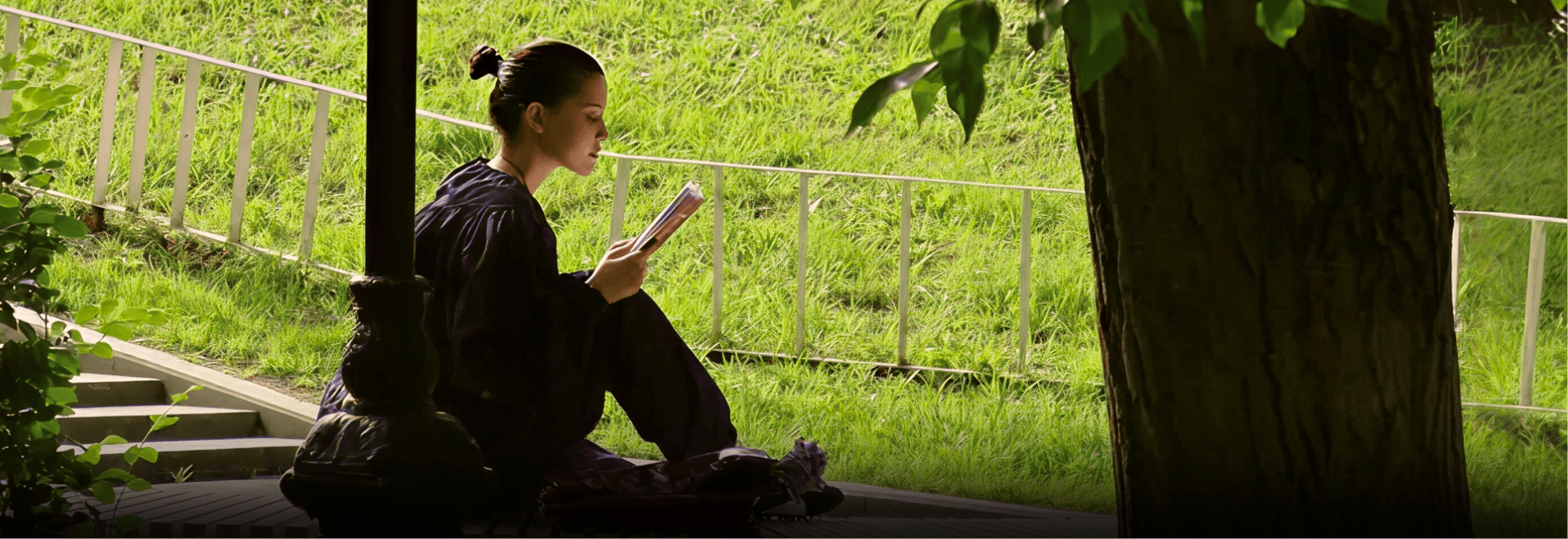
He noticed it most sharply on a Wednesday, standing in the kitchen at eleven in the morning, when he realised he had not spoken out loud to another person in two days. His wife was away visiting her sister. The house was clean, the garden was done, the small list of jobs he had saved for retirement was already finished. He stood with a cup of tea going cold in his hand and understood, with a quiet lurch, that he did not know what to do with himself, because for twenty-nine years the answer to that question had been supplied by other people.
It crept up on him over the following weeks, the shape of what he had actually lost. It was not the job. It was the hundred small human contacts the job had carried in with it, so quietly he had never counted them. The colleague who stopped at his desk to complain about the cricket. The junior who asked his advice and made him feel useful. The woman at the coffee cart who knew his order and asked after his weekend. The low, constant hum of being among people who knew him, needed him, registered him. He had spent years resenting the noise of the office and never once noticed that the noise was also company.
He had built almost nothing outside it. That was the part that stung when he finally let himself see it. Thirty years of pouring himself into one place, and the friendships that were not work friendships had thinned to a handful of names he exchanged Christmas messages with. He had assumed, without ever examining the assumption, that the connection would still be there when he stopped. It was not there. It had been on loan from the job the whole time, and the job had taken it back on his last Friday along with his security pass.
For a while he did what a lot of people do with a feeling they cannot name. He filled the days. He took on projects. He walked further than he needed to. He found reasons to go to the hardware shop and drew out the small transactions there, a few sentences with a stranger, longer than they needed to be, because they were the most contact some days held.
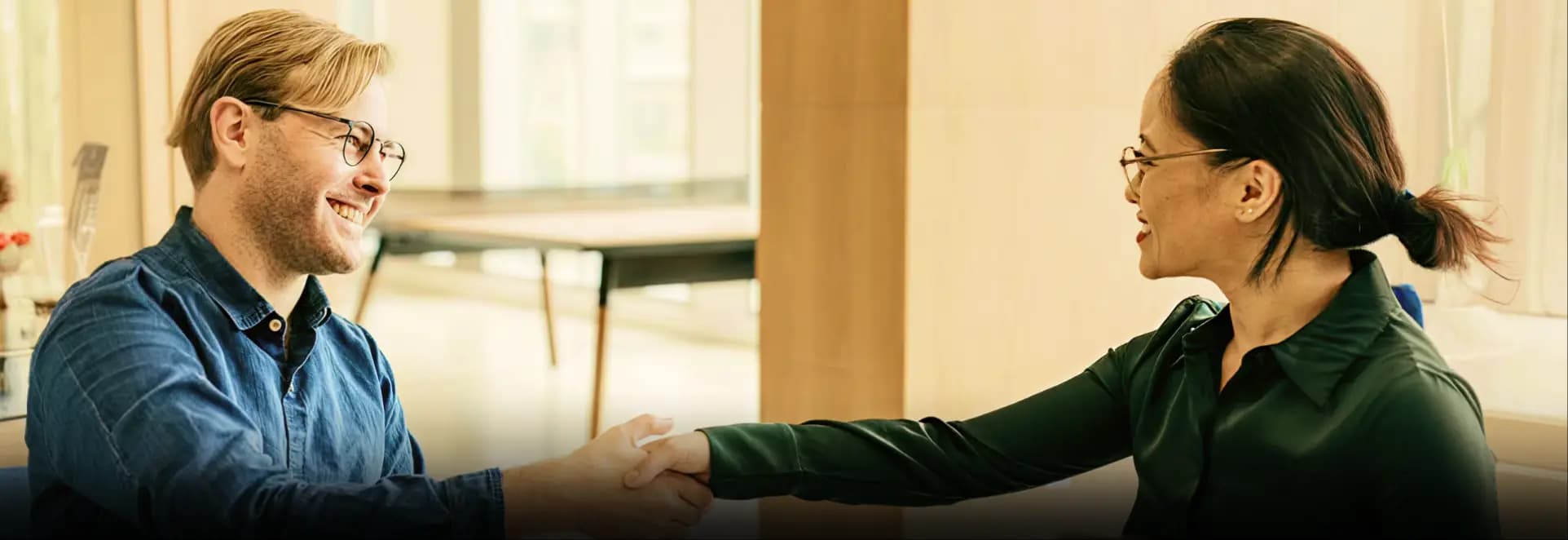
The turn, when it came, was small and slightly embarrassing, which is how these things usually arrive. A former colleague, Ray, retired two years ahead of him, sent a message out of nowhere. A few of the old crowd met for breakfast on the first Thursday of the month, nothing formal, just eggs and complaining. Did Colin want to come along?
He almost said no. The reflex to decline was strong, built on the same quiet belief that had shaped thirty years, that he was fine, that he did not need it, that asking for company was somehow beneath the person he had decided to be. He looked at the message for a long time.
Then he typed yes, and felt, absurdly, as though he had confessed to something.
The breakfast was ordinary. That was what undid him, gently, on the drive home. It was just five men in their sixties over eggs, talking about nothing, and it had filled something that three weeks of finished garden jobs had not touched. He had spent his working life believing that who he was could be measured by what he did. It had taken retirement, and a lot of very quiet Wednesdays, to understand that who he was had always been built from who he was among. And that this, unlike a job, did not arrive on its own. It had to be chosen, and tended, and turned up for.
He put the second Thursday in his calendar before he had even reached his street. It was the first appointment he had made for himself, by himself, in a very long time. It felt, he thought, a little like the beginning of something. Late, perhaps. But not too late.
A life that holds together beyond any one role
Colin's story is common, and the connection he had to rebuild can be learned and tended at any age, not just after a job ends. That is the everyday work KanYini Earth's wellbeing courses are built around. You can explore them on KanYini Learn, or if you would rather help make this kind of support reach more people, you can contribute to the movement.
Walk with KanYini Earth.