Connection with the people already around you
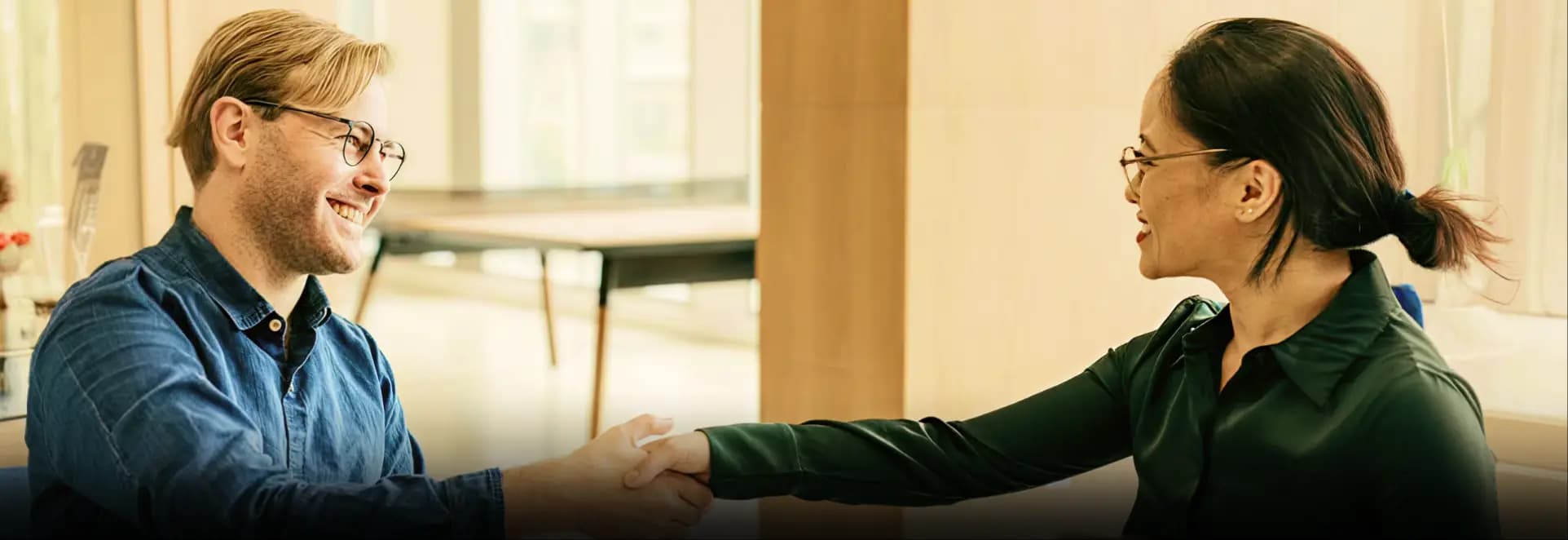
Not everyone in your life needs to become a close friend for the relationship to matter. The barista who knows your order, the neighbour you nod to, the colleague you share a lift with, the regular at the same morning walk: these are what sociologists call weak ties, and the research is clear that they contribute far more to wellbeing than their casual nature suggests. A life rich in small, warm, low-stakes recognitions, people who register your existence and are glad of it, produces a sense of belonging that close friendships alone cannot. You do not have to deepen every one of these into friendship. You only have to let them be genuine.
Connection with community
There is a specific kind of belonging that comes from being part of something larger than your own circle. A sporting club, a volunteer group, a choir, a local cause, a place of worship, a team that turns up for the same shared purpose. It asks nothing as intimate as friendship and offers something friendship cannot: the experience of mattering to a group, of being one of the people who show up, of contributing to something that continues whether or not any single person is having a good week. Much of modern loneliness is not the absence of friends. It is the absence of this, a we to belong to.
Connection with nature
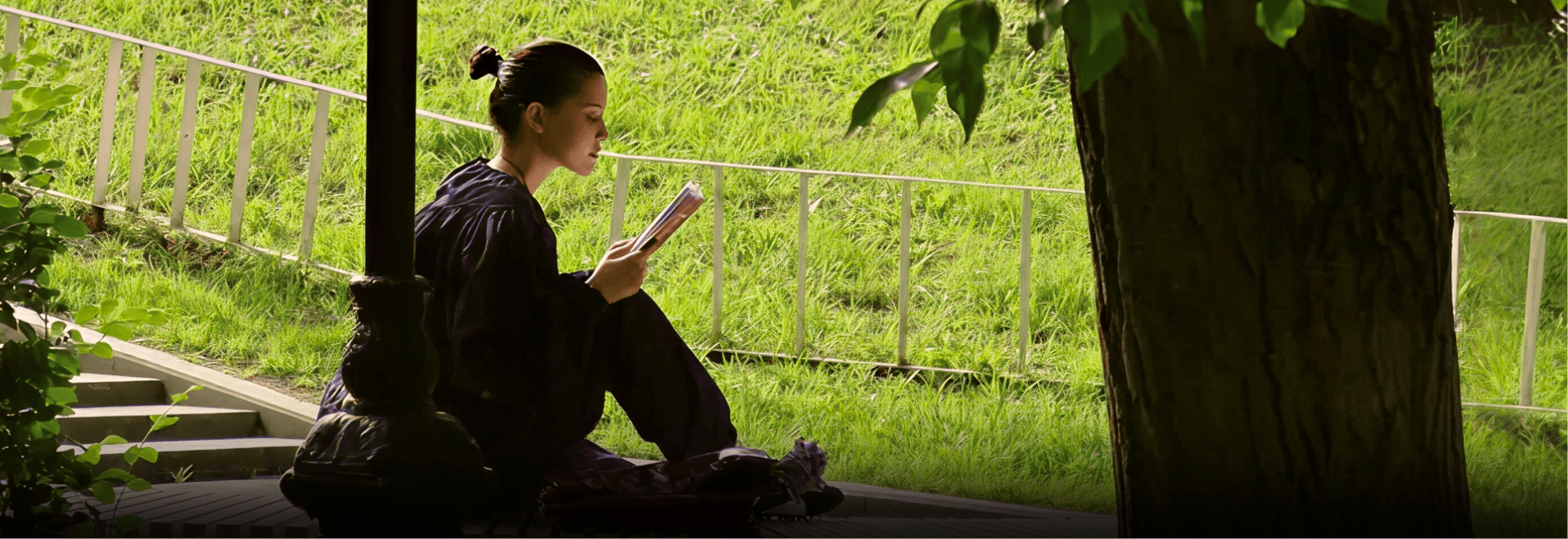
It sounds unlikely until you have felt it, but the relationship between a person and the natural world is a genuine form of connection, and its absence is genuinely felt. Time among trees measurably calms the nervous system. Time near water settles the mind. Standing in a landscape older and larger than yourself does something that no amount of indoor comfort replicates: it locates you, quietly, as part of something vast and continuing. The Anangu people of Central Australia hold a word for this relationship with place, Ngura, understood not as scenery but as belonging. In a life spent more than ninety per cent indoors, the reconnection with the natural world is not a luxury. For many people it is the missing piece they had stopped noticing was gone.
Connection with something larger than yourself
Call it purpose, meaning, spirit, or simply a sense that your life is oriented toward something beyond the immediate and personal. People who feel connected to something larger, a faith, a cause, a craft, a responsibility they have chosen, consistently report greater resilience and a steadier sense of wellbeing. This connection is what carries a person through the seasons when friendships are thin and circumstances are hard. It is the anchor that holds when the more visible connections are strained.
Connection with yourself
This is the one most people skip, and it may be the foundation of all the others. Connection with yourself is the capacity to be in your own company without needing to escape it, to know what you actually feel rather than what you are performing, to treat yourself with something like the patience you would offer a friend. People who are disconnected from themselves tend to struggle in every other kind of connection too, because they arrive in relationships as a managed performance rather than a genuine presence. Time alone that is chosen rather than dreaded, honesty with yourself about what you need, a steadiness in your own company: this is not the opposite of connection with others. It is what makes it possible.
The thread through all of them
Notice what these have in common. Weak ties, community, nature, purpose, and the self are not five separate projects. They are five expressions of a single principle: that a human being is not meant to stand alone, and that belonging is built from many kinds of connection woven together, not from friendship alone carrying the entire weight. The Anangu principle of KanYini names exactly this, connectedness through caring and responsibility, extending in every direction at once, to people, to place, to purpose, to the self. A life connected in only one of these ways is more fragile than it needs to be. A life connected in several is remarkably hard to knock over.
If your circle of friends feels thin, that is worth tending. But it was never the whole map. The other forms of connection are available right now, most of them close at hand, and each one you strengthen makes the others easier to build.
If this resonated with you
KanYini Earth builds accessible wellbeing courses grounded in exactly this understanding of connection, to others, to place, to purpose, and to yourself. They are live now, and priced to reach people who would otherwise never find structured support
Walk with KanYini Earth.